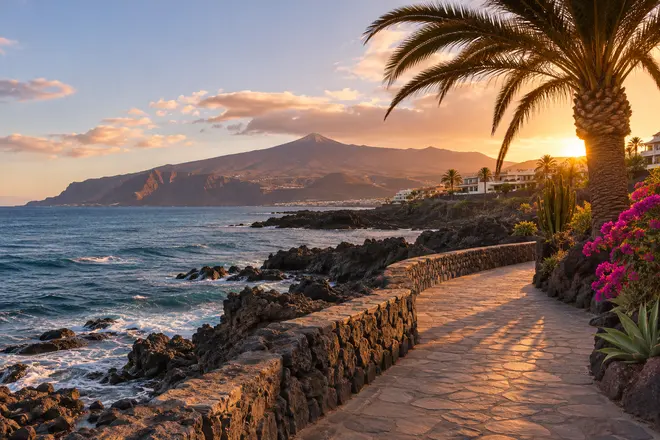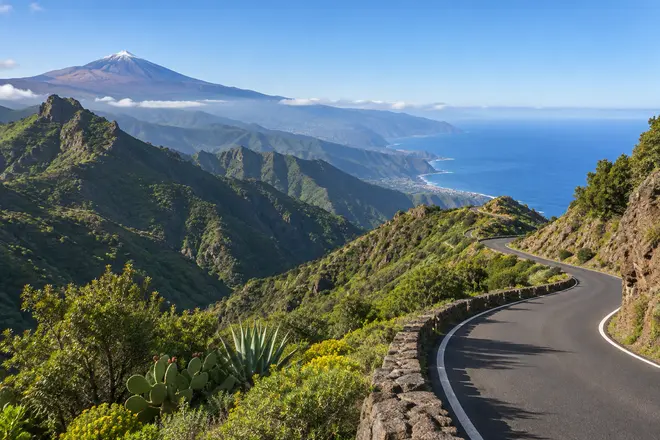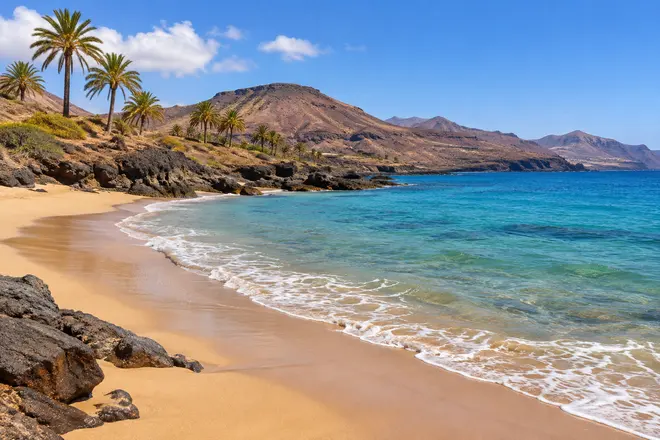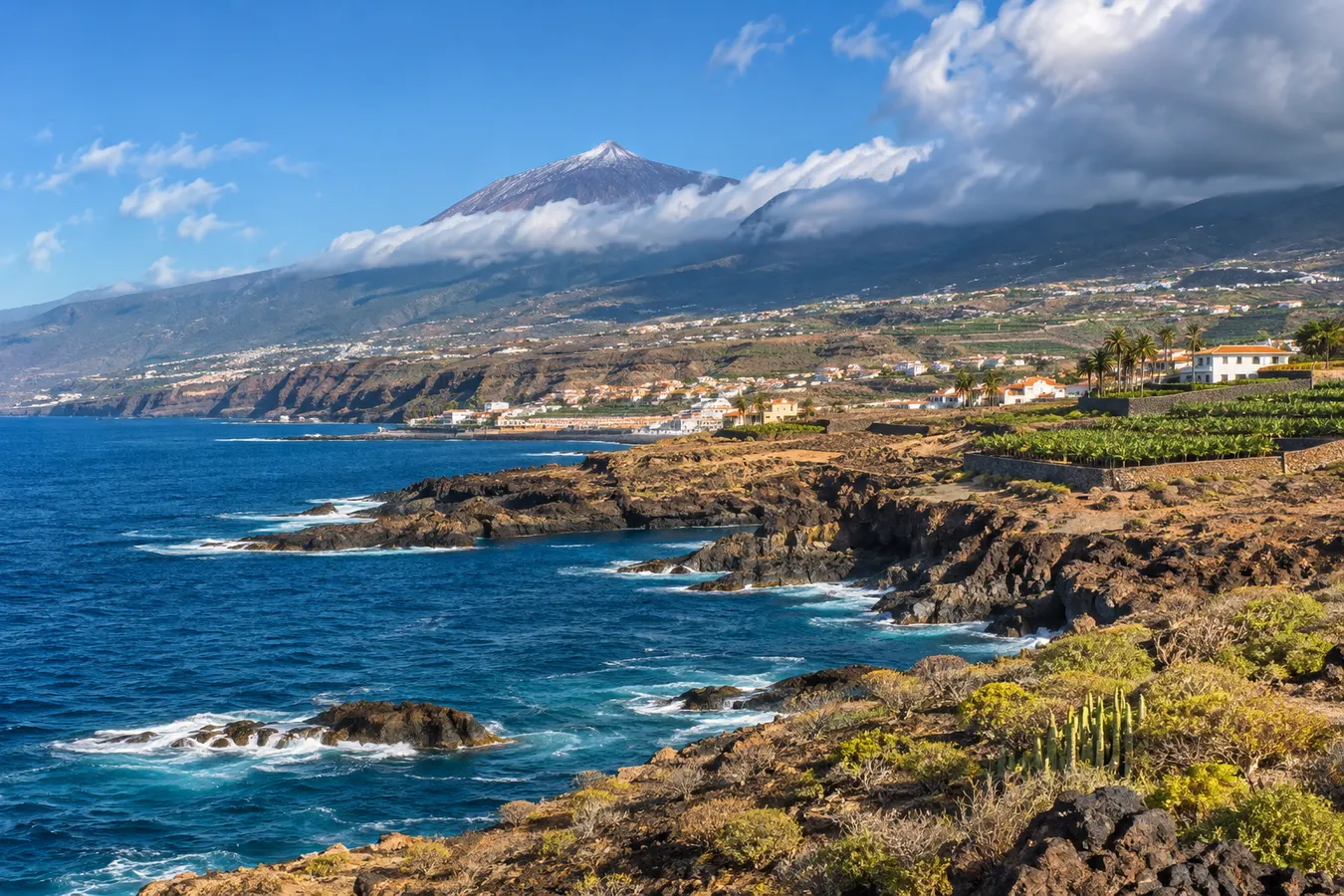
One week in Tenerife need not resemble another, even in the same month. You might start a morning wearing a jacket in a square in La Laguna and finish it barefoot beside the Atlantic. For a holiday that depends on the weather, this is a remarkably useful feature of the island. There is no single good season for outdoor sports here. It makes more sense to think about the experience that prompted your trip and where you want to have it. Paddling along the south-west coast, walking in Anaga and exploring the heights of Las Cañadas have slightly different calendars.
The following pointers should help you choose dates and decide what deserves space in a suitcase. They are seasonal guidelines, rather than a prediction for your particular holiday week. Wind, sea conditions and path closures deserve a last-minute check in every season.
Why the weather varies within Tenerife
The trade winds, generally arriving from the north-east, carry moisture and encourage cloud to form on the island's northern slopes. In the south, a much drier landscape with sparse vegetation and more hours of sunshine is common. Mountains divide the two areas and their effects become apparent over surprisingly short distances. Altitude introduces another dimension: on Teide, temperatures can fall very low while people along the coast are walking around in short sleeves.
For visitors, the geography has practical consequences. Instead of abandoning a walking holiday when the north looks overcast, check whether there is a suitable open route at a lower elevation. Likewise, a sunny afternoon at your accommodation tells you little about wind and waves at the cove where you intend to enter the water. Looking up the forecast for a particular locality is more useful than searching for the weather in Tenerife as though the entire island experienced identical conditions.
Winter: December, January and February
Winter generally attracts people escaping the cold of continental Europe. Coastal towns in the southern half of the island have pleasant days for walks, sitting outside at cafés and joining introductory sessions on the water. The sun remains strong and it is easy to forget sun protection when a breeze keeps the air around you feeling cool.
The summit, however, may be covered in snow. Setting out on a mountain walk equipped for a beach promenade is a poor idea. Access to parts of the national park may be affected by ice, wind or precipitation. In winter it is worth allowing enough flexibility to visit a lower area if disruptions occur and bringing genuine warm clothing in addition to beachwear.
The Atlantic does not reach the temperatures of tropical seas. A properly fitting wetsuit can make snorkelling considerably more comfortable. The duration of exposure, an individual's build and the sensation of cold on leaving the water all matter. If a small boat, cold water or choppy conditions are a concern, consider choosing a guided session where the circumstances of that particular day can be assessed.
Related reading: Three days in Tenerife: an itinerary for sea and nature lovers.
Spring: March, April and May
This is a lovely season for a mixed holiday, particularly if you want to spend several days walking without abandoning the coast. The landscape changes as the weeks pass; the greener areas show the changing seasons, while late spring brings striking displays of flowers at several elevations. Paths with little shade are usually less hot than in midsummer, though protection against the sun remains important.
Easter can change accommodation occupancy patterns. If you would like to stay beside a harbour or near a useful transport stop, compare the location of your accommodation before committing to a last-minute booking. For anyone interested in learning to kayak or discovering an underwater landscape for the first time, a special advantage of spring is the opportunity to leave several days available for moving the session around the calendar.
Wind does not disappear entirely in April or May. There may be excellent days for walking along the promenade at El Médano and other days when that same stretch of coastline would not suit a beginner in a kayak. There is no contradiction here: the conditions keen windsurfers seek are not necessarily those for someone taking a first outing in a lightweight boat.
Summer: June, July and August
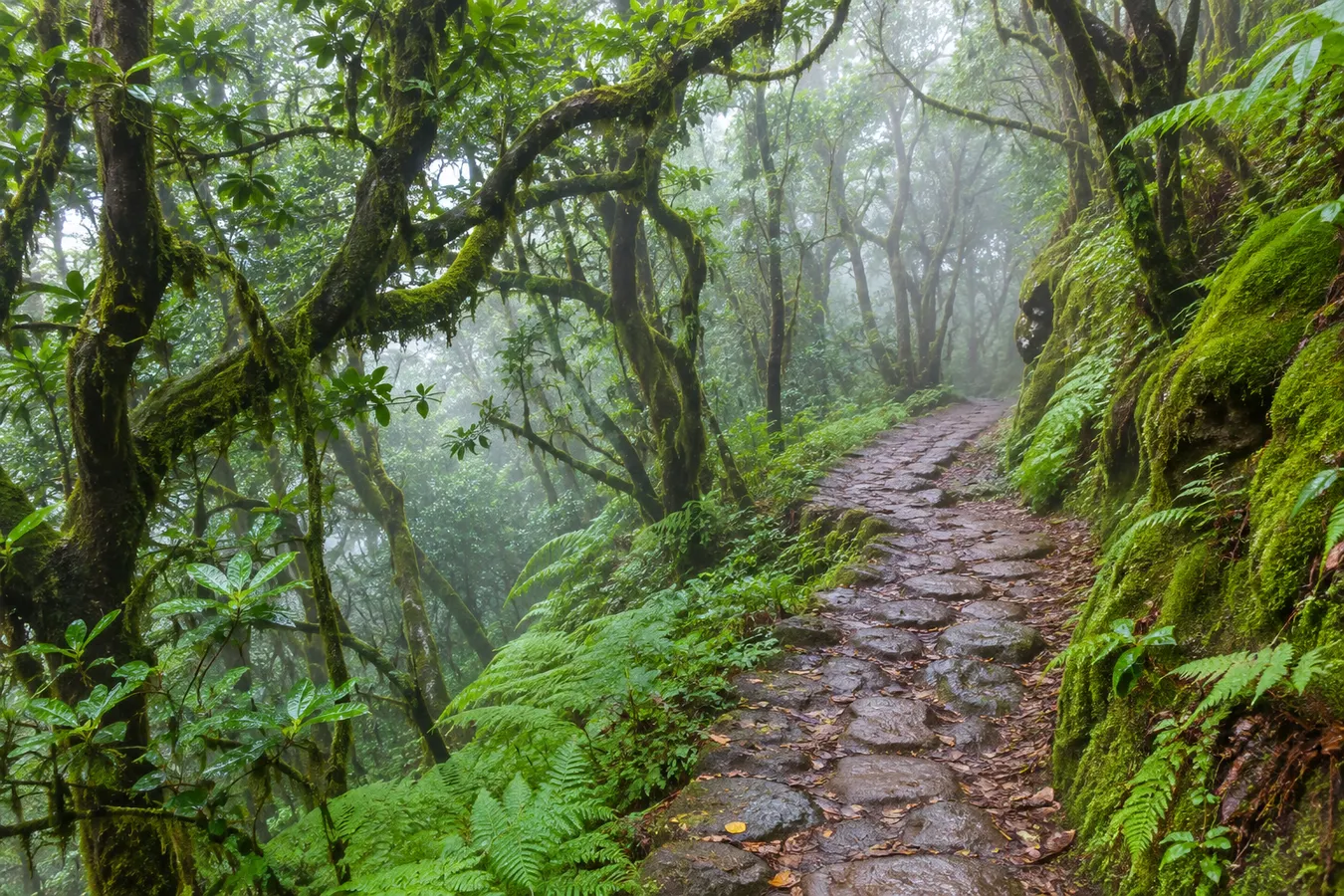
During summer, longer daylight hours make it easy to fit an early walk around a coastal activity. When visiting the interior, get an early start and choose routes that make sense for the fitness of the group. Walking beneath a forest canopy is a very different proposition from crossing a treeless hillside. Volcanic ground may retain heat even when the advertised temperature for a coastal settlement does not seem particularly high.
Heat is not the only reason visits to natural spaces may be restricted. During periods of fire risk, precautionary closures can apply to forest areas. These must be respected; do not try to reach the area by a different path. An afternoon on a beach, a trip to an old town or an urban walk can rescue a day when your planned route is no longer possible.
In July and August, the holiday atmosphere gets busier in the main coastal resorts. If you have a choice of accommodation, try to stay within convenient reach of the places you most want to visit. Not everyone wants to get back in a car after swimming or spending two hours paddling. Access to a shower, dry clothes and something to eat near your accommodation becomes especially welcome in an active holiday week.
Autumn: September, October and November
The ocean retains some of the warmth accumulated over summer. Many people find September and October attractive months for combining snorkelling with walks that do not involve climbing to particularly high elevations. The pace of life on the beaches may also be a little different outside the main school holidays. This is no guarantee of empty beaches, but it can help you plan a holiday that is more than just a series of swimming days.
As autumn progresses, more pronounced shifts in weather become possible. A part of the coast may receive swell even when there is barely any breeze on the promenade. Natural pools that appear motionless between sets of waves must not be treated as safe because of their appearance alone. Take notice of signs, access restrictions and coastal warnings. In unsuitable conditions, exploring a nearby village is a much more sensible choice than looking for a different point among the rocks to enter the ocean.
Packing for different elevations
Dedicated space for outdoor kit is often more valuable than space for many similar outfits. For a varied holiday, you might divide your equipment into three groups:
- Dry clothes, swimwear, sun protection and suitable footwear for the coast.
- Clothing to wear in layers, a windproof jacket and walking shoes or boots.
- A comfortable backpack, water, maps and a way to protect anything that needs to stay dry aboard a kayak.
Technical equipment you are unfamiliar with is best used with appropriate instruction. An activity provider can explain sizes, requirements, skill levels, equipment condition and the circumstances of the session. Anyone undertaking an independent excursion should have both the experience required for the trip and adequate information to plan it and decide to cancel if necessary.
How many days to keep free
There is no reason to occupy every morning with a specific activity. In a holiday with five complete days, assign three a main objective and use the other two as flexible days. Your mountain visit can move if low cloud interferes with the walk, while the session on the water can wait for suitable conditions. If there is room for only one kayaking experience in your holiday schedule, try to place it towards the beginning and keep another day as a possibility.
One useful approach when choosing a season is to think first about the experience you would most regret missing. If you dream of walking through the island's forests, do not limit your trip to the beach beneath your hotel window. If the ocean appeals to you most, the hottest dates on the calendar need not be your first choice either. Tenerife lends itself to holidays built around very different outdoor activities, provided that the landscape, the Atlantic and the weather all have a part in the planning.
Explore next: Where to stay in Tenerife for active holidays.