A volcanic underwater coastline
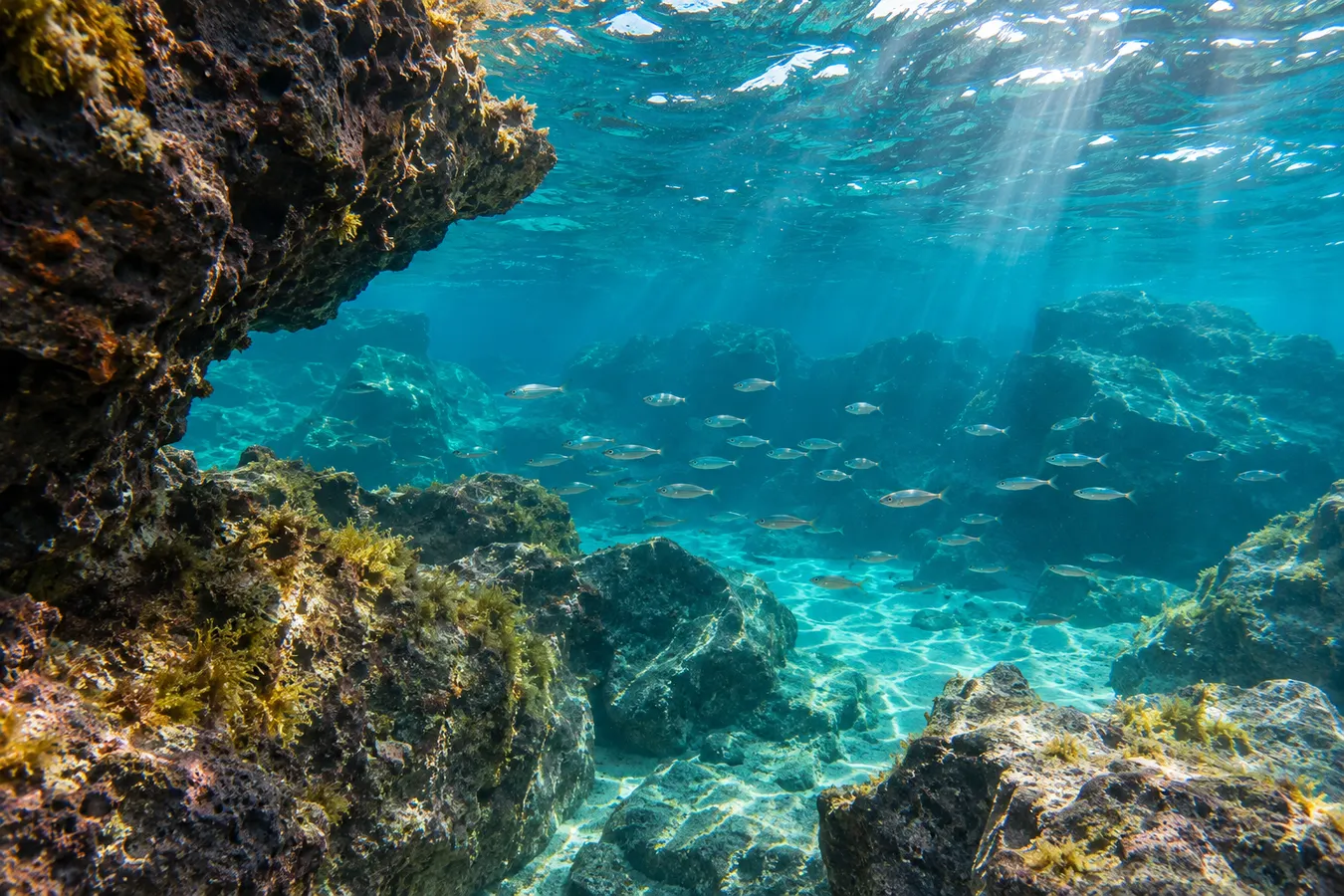
Rocky seabeds shelter various fish and invertebrates. Visibility changes with currents, suspended particles and sea conditions, so a cove that looks attractive in a photograph will not always be suitable.
Areas to explore
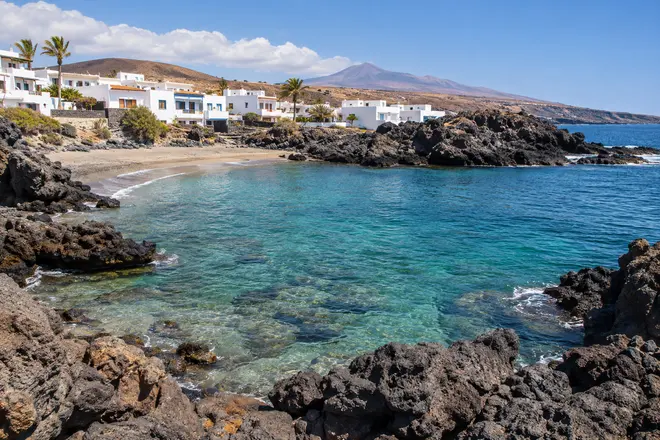
The south-east coast, including Abades, and several settlements on the south-west coast have areas frequented by people interested in marine observation. Each entrance has different characteristics; avoid unfamiliar rocky access points when swell is present.
A supervised introduction
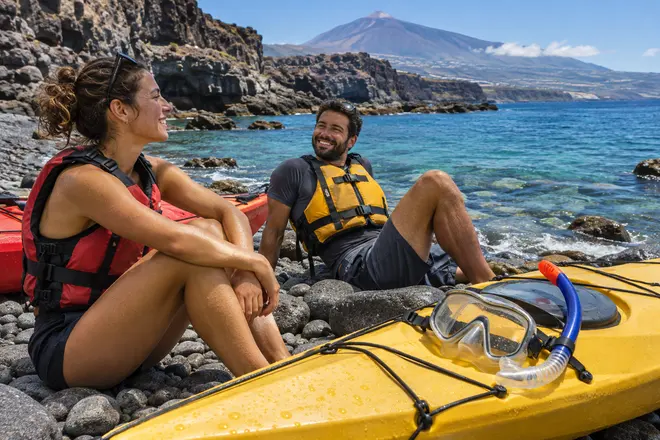
For a first experience with a mask and snorkel, consider a supervised activity adapted to the group. Participants can practise before exploring and choose a depth that suits their ability, without pressure to reach particular points of interest.
Observe without interference
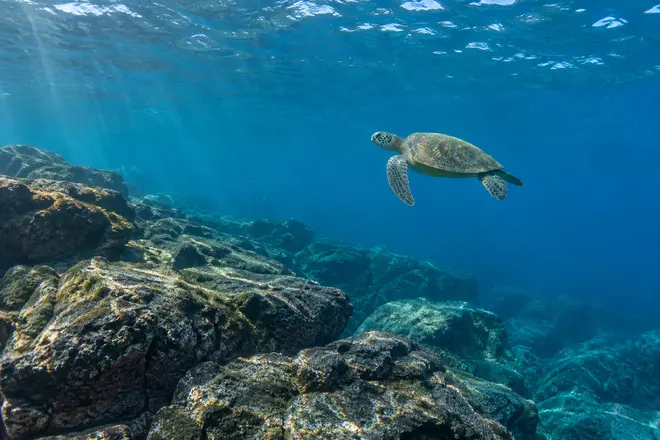
Do not touch, chase or feed animals. Keep a respectful distance and give wildlife space to move away. Marine wildlife is not a scheduled show. Avoid standing on the seabed or removing stones or shells.
An unhurried day at sea
Plan a flexible schedule with time to rest on land. Ask about suitable access, experience requirements, equipment and supervision. If surf makes entering the water unsuitable, a coastal walk may be a welcome alternative.