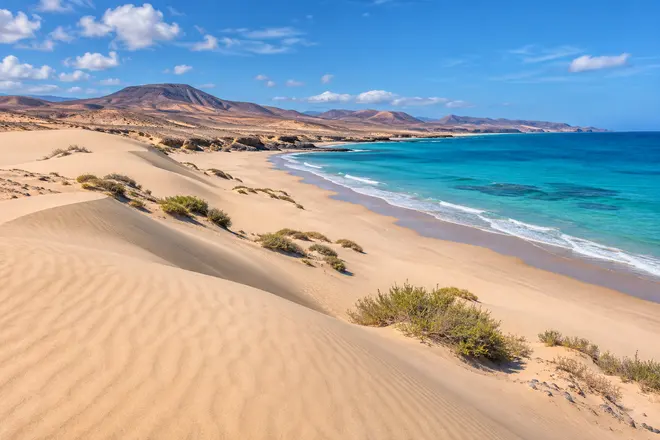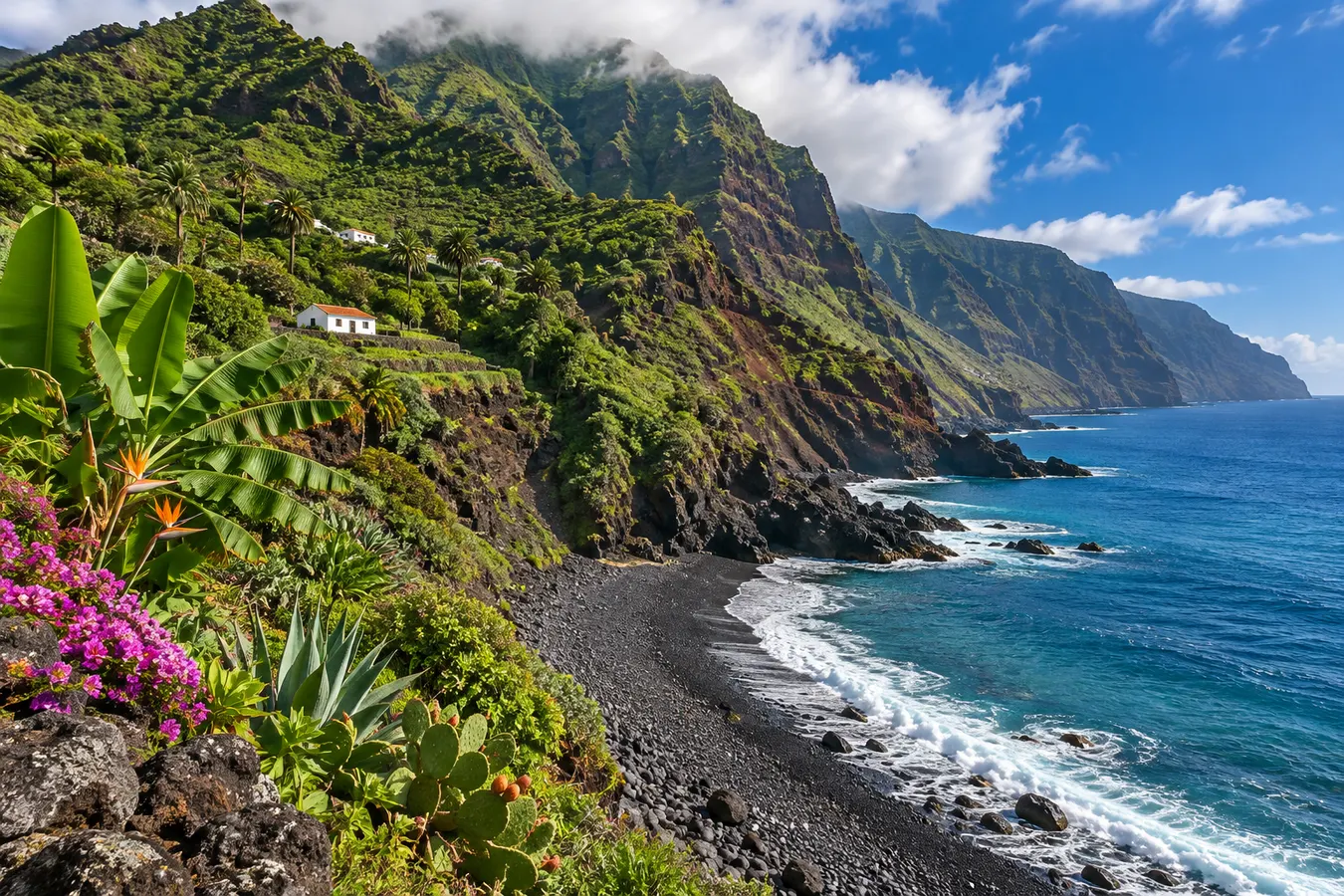
The best way to understand La Palma's coastline is to look up towards the mountains as well as out to sea. Ravines descend to dark sandy beaches, slopes extend right to the ocean and lava formations have produced small features that would never be found along a gently sloping shore. This relationship between land and sea lends particular variety to a holiday devoted to nature.
There is no need to choose between a week of hiking and a beach holiday. Your itinerary can combine mornings on the water, when conditions are appropriate, with trails through volcanic landscapes, villages and agricultural areas. The distribution of the beaches and roads suggests planning excursions around different sectors of the island rather than continually travelling across it.
Los Cancajos for a first experience of the Atlantic
Los Cancajos lies on the eastern side of the island, between Santa Cruz de La Palma and the airport. Its holiday district stands beside several beaches with volcanic sand. Rocky breakwaters alter the exposure of part of the shoreline to ocean waves. From the promenade you can look at the bays, the gradient of the hills and the changing colours of the water.
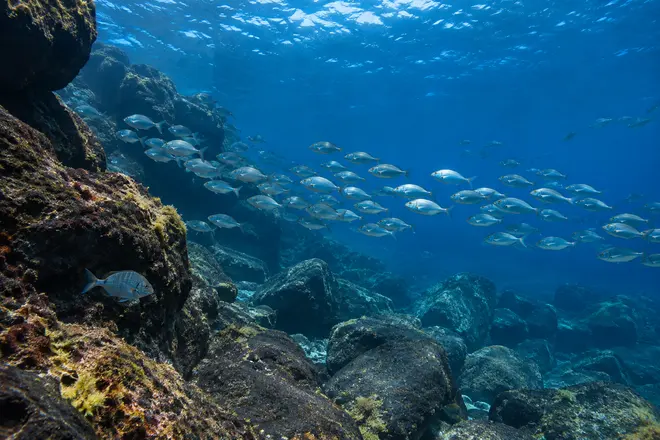
On days when sea conditions are appropriate, Los Cancajos appeals to people with an interest in exploring the underwater world. The seabed includes rocky surfaces and sandy spaces. Looking from the surface reveals organisms and fish that pass unnoticed by people standing on the shore.
Choosing the right place to enter the sea is important. Find out about swimming areas, visibility and lifeguard coverage. A comfortable mask, suitable snorkel and protection from the temperature of the water all help, but are no substitute for swimming ability or assistance from someone with appropriate experience.
Your first day on the island might be as simple as a stroll along the promenade to get to know the beaches. This part of the coast offers easy access to the capital, which is useful if members of the group have different interests or the state of the sea prevents any water activities.
Puerto de Tazacorte and afternoons in the west
On the western side of the island, Puerto de Tazacorte occupies the mouth of a ravine. Its dark beach extends along the foot of steep terrain, close to colourful buildings and a harbour. Its westerly orientation makes this a fine setting for enjoying the last hours of sunlight from dry land.
The harbour is an important part of life in the village. The waters used by departing vessels and the spaces where fishermen work have quite different functions from the beach. Anyone wishing to kayak must find out about authorised launch points and remain in the appropriate area. Those without experience in open water need professional assistance.
Here it is possible to arrange a day with several different rhythms. After a short activity, the promenade and nearby places to rest allow the remaining hours to be spent in a relaxed way. Companions who prefer to stay out of the water can enjoy the sea views without moving to another destination.
Related reading: Fuerteventura's beaches for an active holiday.
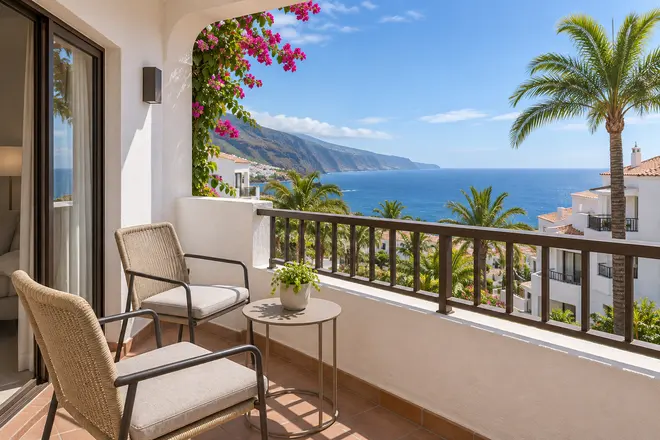
When looking for accommodation, distinguish between the higher-lying town of Tazacorte and Puerto de Tazacorte, which stands beside the ocean. This matters if you intend to get around on foot. A map shows distances but does not necessarily communicate the steepness of the streets and roads.
Charco Azul and La Fajana, swimming pools among volcanic rocks
Along the northern and northeastern shore, ocean movements have created a variety of surfaces and cavities in the stone. Some areas have been adapted as seawater pools, allowing visitors to enjoy the water without having to enter directly from an open beach.
Charco Azul in San Andrés y Sauces is one of the best-known examples. The colours of the water stand out against the shapes of the basalt. La Fajana in the municipality of Barlovento has several swimming enclosures beside the shoreline. In both locations the presence of the Atlantic is apparent even from the protected areas.
These pools should not be confused with closed facilities that are completely separate from the ocean. Waves can wash over the edges in some conditions. Wet surfaces may be slippery, and the sides of the pools must be approached with care. If any closures, flags or prohibitions are in place, respect them rather than seeking an alternative way into the water.
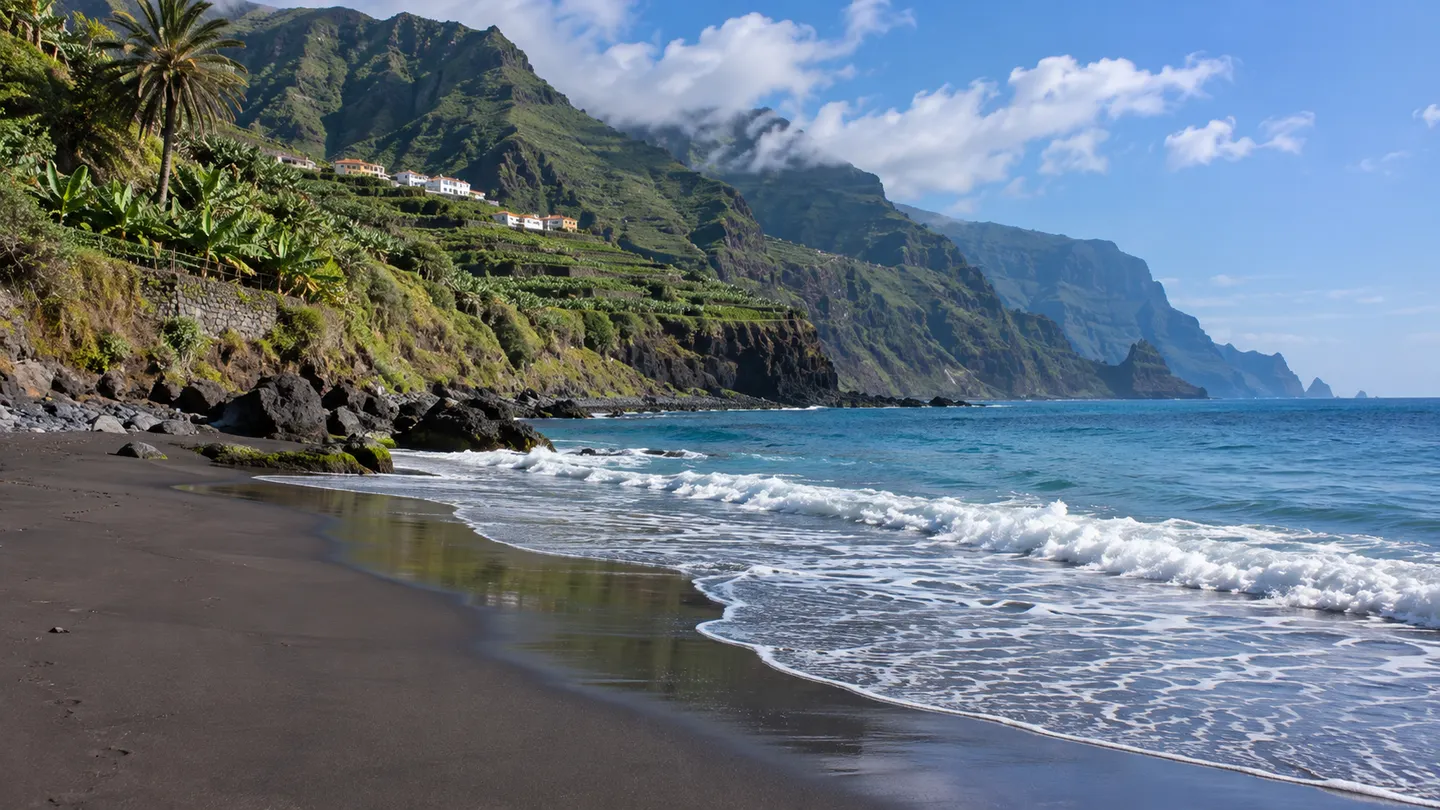
Even when swimming is impossible, a visit offers opportunities to understand how the shape of the coast influences life by the sea. Authorised paths and viewpoints allow visitors to see cliffs, changing waves and the agricultural land occupying terraces close to the shore.
Nogales, the beach below the cliffs of Puntallana
Nogales beach reveals a different side of La Palma. The contrast between vegetation on the slopes, the darkness of the sand and the exposed Atlantic coastline has made this one of the area's most recognisable landscapes.
Access involves a walk that offers excellent views of the shape of the cliffs, provided the trail is open. Bring suitable footwear and water, check for any rockfall warnings and avoid spending time beneath unstable cliff faces.
Strong waves and currents make this a dangerous beach. It should not be included among the destinations for a relaxed swim or a beginner's snorkelling session. Visiting on land is enough to appreciate its main attraction. The character of the beach is especially apparent when you stop to watch the waves from a position well away from the breaking surf.
Fuencaliente: volcanoes and salt in the south
At the southern tip of La Palma, Fuencaliente brings together natural features that tell part of the geological history of the island. The volcanic slopes descend to the vicinity of two lighthouses and a series of salt pans. The colours of the little salt ponds stand out against the black lava surfaces.
A visit to this part of the coast can be combined with learning about the importance of conserving underwater habitats. The marine reserve of La Palma protects part of the seabed around the island. Activities within such spaces are subject to particular regulations and designated areas of use that should be checked before heading there.
Walking along signposted trails is a wonderful way to appreciate the lava flows. Away from designated routes, rocks may have sharp or unstable surfaces. There is no need to descend to an exposed rocky edge to get a better view of the waves.
Some coastal stretches are affected by temporary or changing access restrictions. On a volcanic island, natural processes and safety considerations can alter which sites are available for visitors. Do not assume that an access path described in an old guidebook is still open.
Divide the holiday into geographical sectors
With several days ahead of you, it is generally useful to think of eastern and western La Palma separately. A base at Los Cancajos or near Santa Cruz makes it convenient to explore the eastern coast. The area around Tazacorte provides an opportunity to spend time in the west and combine the ocean with visits to neighbouring districts and landscapes.
Allow time to get to know the north and another day for Fuencaliente. If water activities are part of your itinerary, leave room to change dates depending on the marine forecast. Bring clothes suitable for mountain excursions even if temperatures are pleasant beside the beach, as changes in altitude produce very different weather.
Check access arrangements before heading to any beach or pool, respect warnings and avoid paddling on your own. On La Palma, even days when getting into the water is impossible provide a chance to explore one of the most varied volcanic coastlines in the Canary Islands.
Explore next: Where to stay in Tenerife for active holidays.