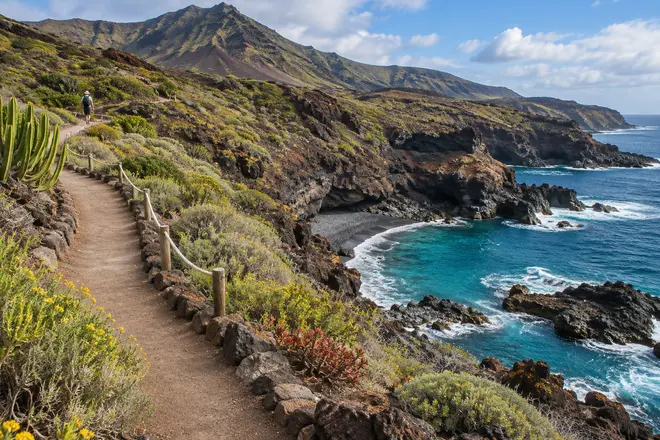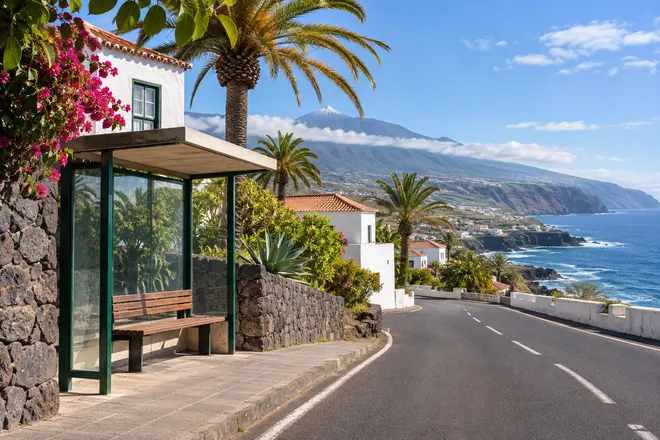
The difficulty with packing for the Canary Islands is that a single island can encompass very different environments. An afternoon spent walking beside the sea in southern Tenerife requires different clothing from an excursion into the mountains of Anaga. The damp forests of Garajonay in La Gomera do not necessarily experience the same conditions as Playa Santiago. Then there is the need for protection from the sun, exposure to the wind and clothing that ends up wet after an activity on the water.
If your holiday includes kayaking, snorkelling and hiking, organise your luggage according to function. You can take fewer clothes if they work together in layers, choose footwear carefully and distinguish between the equipment you need from the first day and specialist items that will be provided by the person responsible for an organised activity.
Clothing for a day of changing temperatures
Start with light, breathable clothing that you can wear at your accommodation, while travelling and during easy walks. A long-sleeved top suitable for sun protection is useful when the air turns a little cooler. Comfortable, fairly quick-drying trousers work well by the sea and on some walking trails.
Add a layer of insulation and something that protects against wind or rain. On the mountainous islands, temperatures and humidity vary with altitude and the orientation of the terrain. If you intend to visit Teide or the high mountains of La Palma, prepare clothing according to the mountain forecast rather than the temperature beside the swimming pool at your accommodation.
For walking trails, the combination of clothes should allow you to regulate warmth as your level of effort changes. Keep a dry layer in your backpack, particularly if the route crosses damp environments. A person who has been sweating during a climb might feel cold when stopping, even if the walk began in sunshine.
Choose footwear for three different purposes
Shoes take up considerable space in a suitcase. For many active holidays it makes sense to distinguish between walking shoes for trails, comfortable footwear for getting around town, and something that can get wet on coastal activities.
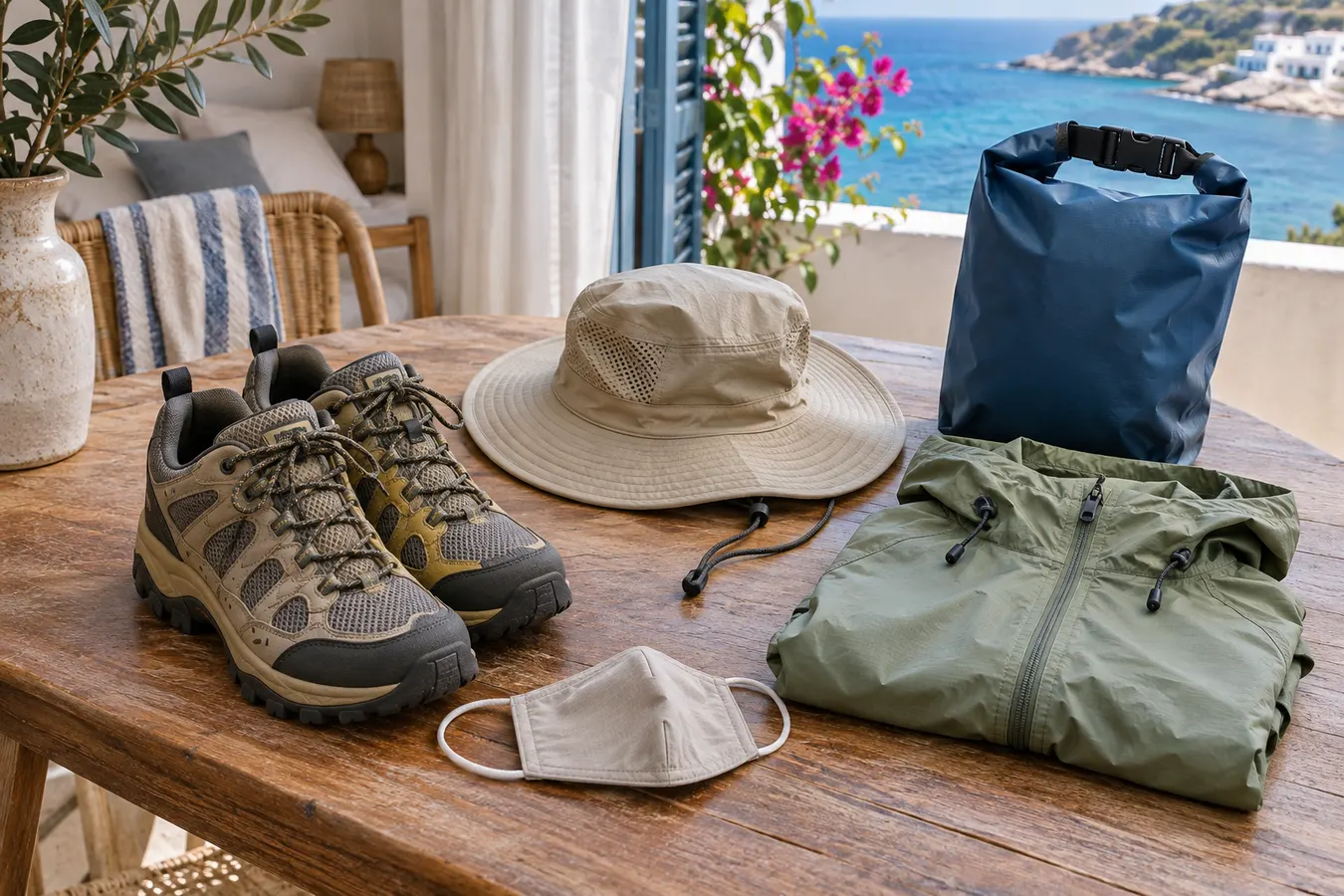
Volcanic trails may have loose stones, uneven ground and rough surfaces. For paths requiring good stability, choose appropriate hiking shoes or boots that you have worn before. The soles should provide suitable grip, and the day of a long walk is not the best time to break in brand new footwear.
On a pebble beach or when entering the water over rocks, water shoes or other specialist footwear help protect the feet. Not every style of beach shoe provides enough protection for a shore with rough stone. Ask what kind of approach to the water is involved in the activity you intend to undertake and avoid relying on flip-flops that can come off easily.
If you already know that you will be kayaking using equipment supplied by a professional, ask what clothing and footwear you need to bring. The person leading the activity will need to assess thermal protection and other equipment in relation to the nature of the outing. There is little point in buying specialist items simply because they appear in a holiday photograph.
Related reading: How to enjoy the Canary Islands' ocean without harming its wildlife or shores.
Organise a bag for the sea
It is convenient to have a little group of items that can be transferred from your accommodation to the beach without reorganising your entire suitcase. An appropriate bag for keeping belongings dry, a lightweight towel, dry clothes to change into, a water bottle and sun protection deal with many of the requirements of a morning at the coast.
Leave unnecessary possessions at your accommodation. A phone may be useful in an emergency, but needs suitable protection, sufficient battery life and a way of securing it against loss. Bags for the water need to close properly; not every pouch or bag that withstands splashes will protect its contents if submerged.
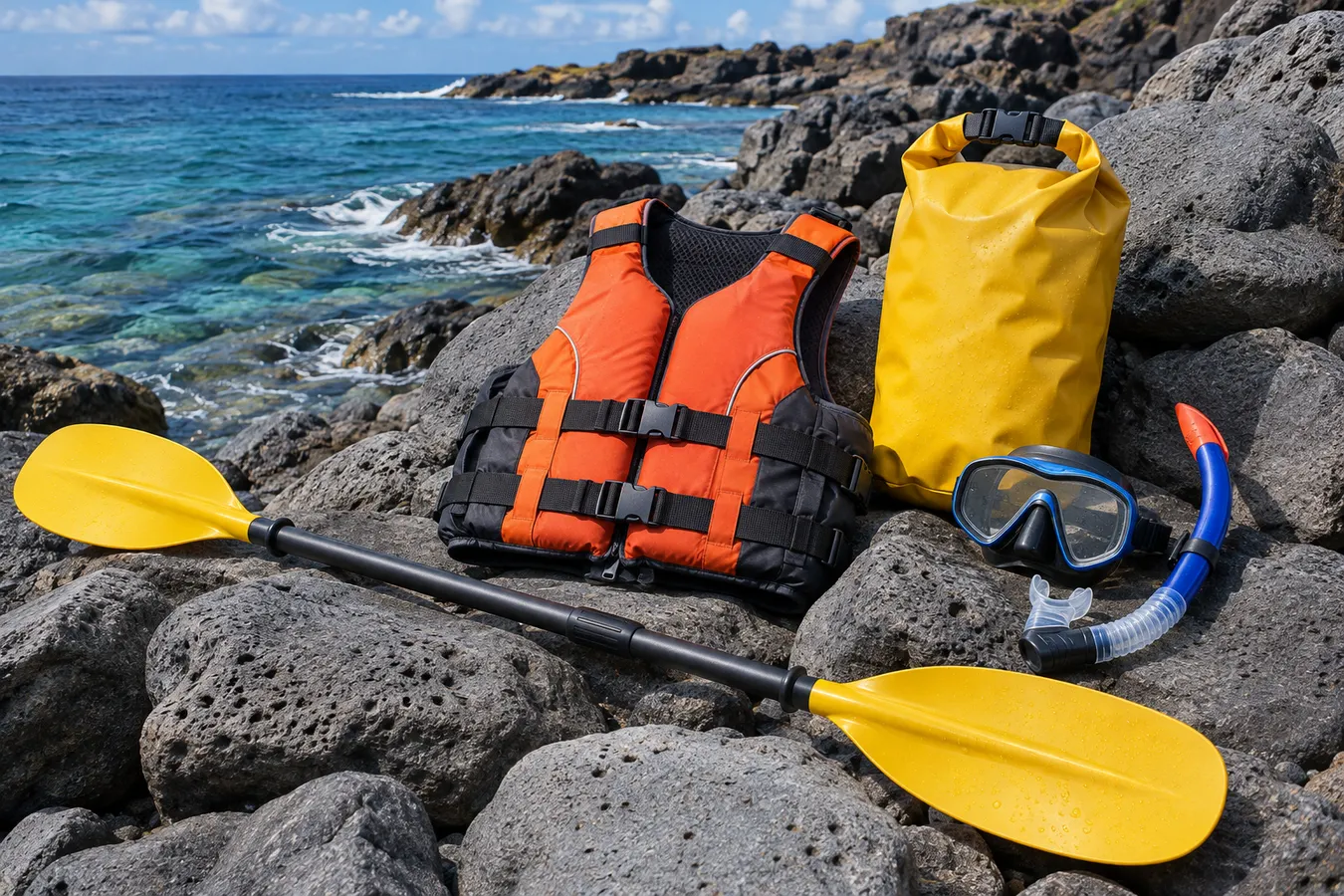
Kayakers need to wear a suitable buoyancy aid. On an organised outing, check ahead to see what equipment is provided and whether there are suitable sizes for every participant. Those paddling independently require appropriate knowledge and safety equipment for the kind of craft and journey involved; a general packing list for a day at the beach is not enough.
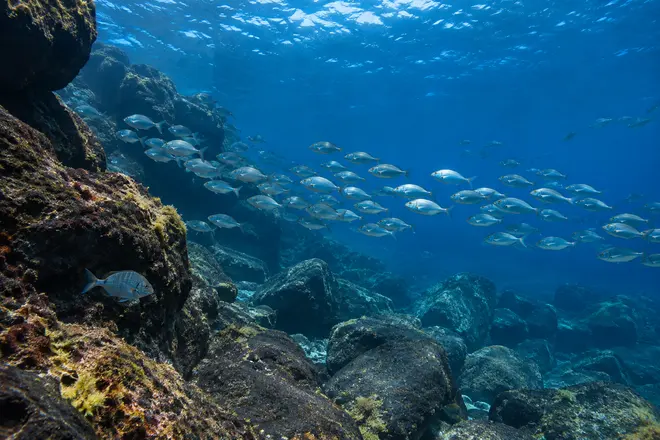
For a snorkelling outing, a well-fitting mask makes the experience more enjoyable. If you bring your own, inspect it before travelling and make sure the straps are in sound condition. Take a suitable snorkel and, if you use them, fins that fit correctly. A day of pleasant sea conditions does not remove the need for thermal protection or a companion while snorkelling.
Remember the sun and the wind
Spending time beside the ocean can mean several hours of exposure, often without much natural shade. A hat, suitable clothing and sunglasses offering ultraviolet protection are important. Secure the sunglasses on activities where there is a risk of losing them.
Use suitable sunscreen and reapply it according to the product's instructions. Wind and water may make it less apparent how long you have been exposed to the sun. Ultraviolet radiation does not disappear just because the sky is cloudy.
During walks alongside the dunes in Fuerteventura, the dry volcanic landscapes of Lanzarote or certain stretches of the Tenerife coast, shade can be difficult to find. Plan the time of day for your activity, check the forecast and carry enough drinking water. The bottle you normally use for a short stroll around town may not be sufficient for a walk lasting several hours.
What to carry in your hiking backpack
Do not use your beach bag as the model for packing for a mountain excursion. When walking you need to carry your equipment comfortably and keep your hands free. A suitably sized backpack, chosen according to the route, can hold water, food, insulating layers, a small first-aid kit and the things you need to navigate.
Download the route information before leaving, but do not depend entirely on an application that might lose reception or battery power. Choose official trails that are open and check instructions concerning permits, difficulty, access and any possible closures.
A suitable torch, an extra power source for your phone and a bag that protects items from damp conditions may be useful. Keep the backpack organised, with essentials within easy reach. Let someone know your plans and avoid hiking itineraries that exceed your level of preparation.
For an easy walk through an urban area, you do not need the same equipment as for a remote trail. Adjust the contents to the prevailing conditions and the particular route.
Luggage for moving between different places
If your holiday includes several hotels or apartments, use small packing bags to keep clean clothes separate from those that have been in the water. Do not pack damp items beside electronic equipment and remember to dry your gear before packing it for a transfer.
A reusable water bottle and a few simple food containers allow you to prepare food without having to handle lightweight packaging at the beach. Check luggage requirements if you intend to travel between islands by plane or ferry. Bulky sporting equipment may be subject to different conditions from a normal suitcase.
If you are travelling as a family, distribute shared items rather than packing identical sets for each person. Adult and children's personal safety equipment must, however, have the correct fit; it cannot simply be shared according to who has room in the suitcase. Allow a little room for drying bags and wet clothing on the days you move to another accommodation.
Your final equipment check is easier if you consider three possible scenarios. Can you spend a windy afternoon by the sea? Do you have sufficient clothing and appropriate footwear for a planned mountain trail? Can you get dry and warm after a water activity? If your luggage provides good answers to those questions and you have confirmed the technical equipment arrangements with the professionals, you will have a flexible basis for exploring the islands without dragging unnecessary belongings around with you.
Explore next: Where to stay in Tenerife for active holidays.