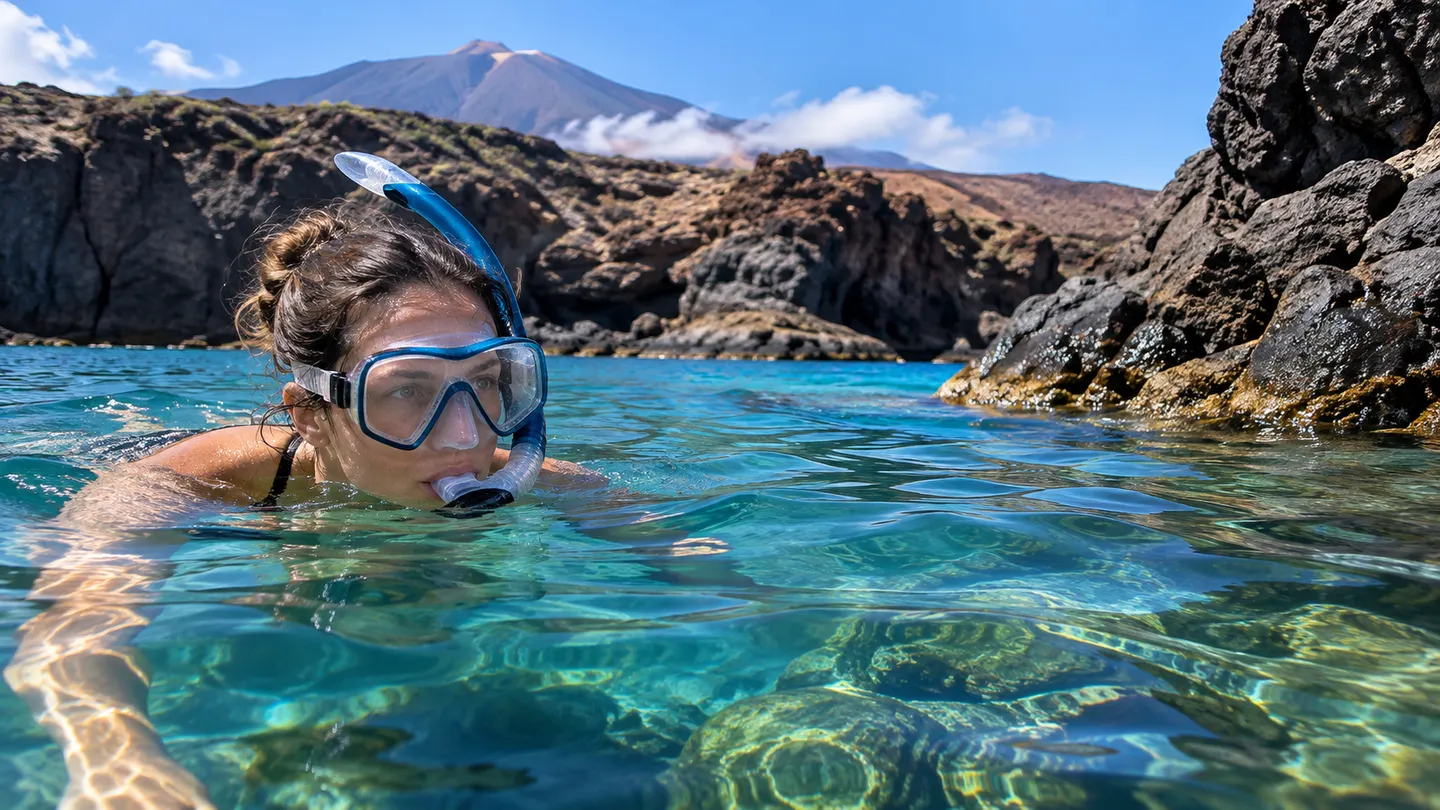
The first time you put your face in the water in Tenerife, it is easy to lose track of time. From the shore, you might see little more than dark patches on the seabed. Through a mask you can distinguish the fish moving between stones, the ripples of light over the sand and even differences between types of seaweed. You do not have to descend into deep water to appreciate these details. One of the pleasures of snorkelling is being able to watch the marine environment from the surface.
The Atlantic, however, is very different from a swimming pool, and snorkelling equipment is no substitute for swimming ability. The goal of your first outing should not be to spot a particular animal or cover a certain distance. It is to feel comfortable in the water and return to dry land with energy to spare. Your choice of location, the sea conditions and the person who accompanies you matter much more than the make of your fins.
Choosing the right day and beach
Tenerife's shoreline alternates between sandy beaches, lava platforms, small coves and cliffs. A place that appeals to an experienced swimmer might present serious difficulties for somebody taking their first steps in snorkelling. Start by looking for a lifeguarded beach with a gradual sandy entry and designated swimming area. A rocky waterfront with a metal ladder into the sea is not necessarily a suitable alternative.
Las Vistas, between Los Cristianos and Playa de las Américas, has urban facilities and a swimming area. Los Abriguitos, in Abades, is another possibility worth considering when the conditions are favourable. These are suggestions for planning your visit, not promises of calm water. A beach regularly used for snorkelling can become unsuitable overnight.
Check coastal weather warnings, wind and swell before heading out. When you arrive, take a few minutes to look at the sea, watch several sets of waves and read the beach signs. Stay out of the water if there is a red flag. If you cannot identify a safe swimming area, if currents are apparent or if you have doubts about the exit, postpone your session. Changing plans in good time is still a successful travel decision.
Keeping equipment simple
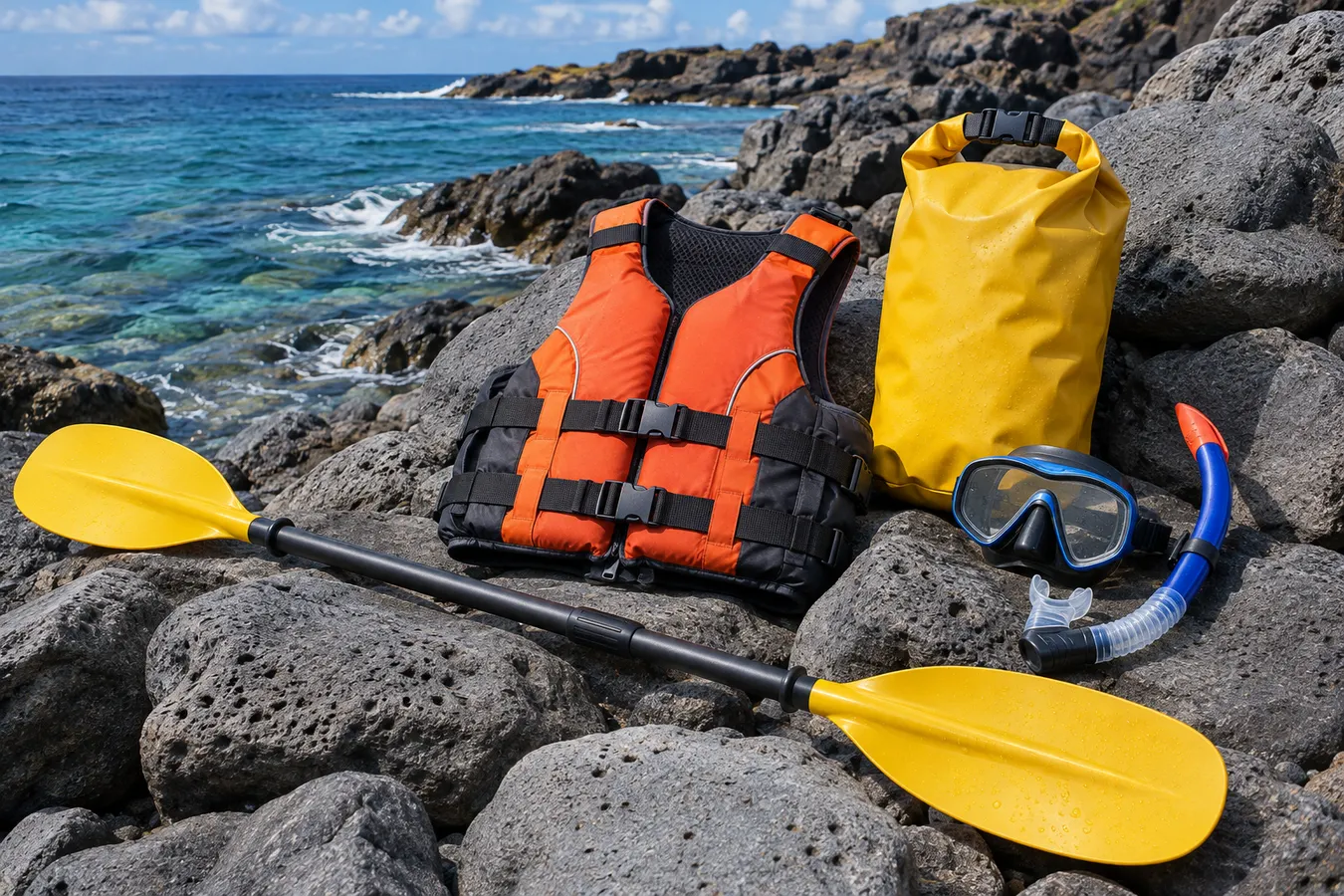
For a short outing from the beach, the usual equipment comprises a mask, snorkel and fins. A mask should suit the shape of your face, not just look appealing in a photograph. Try it on according to the manufacturer's instructions and avoid tightening the strap more than necessary. It is worth knowing how to remove it and put it back on calmly before going into open water.
The snorkel allows you to breathe through your mouth while floating on the surface and looking down. You should be able to breathe comfortably through it; if you have any difficulties, lift your head and remove it. Do not try to counteract discomfort by breathing faster or going farther out in the hope of getting used to it. If you have not used a snorkel before, you can begin with an instructor in controlled water.
Fins make it easier to move around, but a pair that is too stiff or poorly fitted can tire your legs. A wetsuit or suitable thermal garment might be useful depending on the time of year, the water temperature and your susceptibility to cold. A purpose-designed flotation aid, selected with professional guidance, may also be appropriate for a learner. No item of equipment removes the risks of the sea.
Related reading: Where to snorkel in Tenerife: beaches and coastal spots.
Check that you have sun protection, drinking water, a towel and dry clothing. Leave your phone and keys somewhere secure on land instead of trying to take all your luggage into the water with you.
Learning to feel comfortable on the surface
It is quite normal for a mask to feel unfamiliar at first. Your nose is covered, you breathe through a tube and sounds are different from the ones you hear on land. There is no need to start swimming horizontally as soon as you enter. Find a controlled setting, remain where you can comfortably stand if it is safe to do so, and practise under supervision.
Your first session can be brief. Learning how to position your equipment, breathe normally and look into the water for a few seconds is valuable in itself. Once you feel comfortable, you and your companion can cover a short distance within the designated swimming area. Do not treat snorkelling as an excuse to practise freediving or prolonged breath-holding. Surface observation is enough for this kind of outing.
If your mask floods, you feel anxious or you start swallowing water, stop the activity. You do not have to stay in the sea just because other people in the group seem fine. This is a good reason to consider a small group and a plan that allows you to reach a safe beach easily. If you cannot swim independently in the sea, look for appropriate swimming tuition before attempting a snorkelling trip.
What to expect underwater
Along much of Tenerife's coast, you might see silver-coloured fish above sandy bottoms and darker shapes moving near rocks covered in algae. Damselfish, seabream and salema are among the species that may be seen. You need not know how to identify them in order to enjoy the session.
Try noticing the ways different creatures use the space around them. Some small fish hide as a shadow passes overhead, while others remain in shoals at a distance. Mediterranean parrotfish, when you come across them, can vary in appearance from individual to individual. In a rockpool viewed from the shore, tiny limpets attached to the stone can be as interesting as a brightly coloured fish.
No outing guarantees encounters with turtles, rays or any other animal. If you spot one, do not approach or follow it. Allow it to move freely and do not offer it food. Avoid turning over rocks in search of octopuses or collecting organisms from the seabed. A stone that appears empty might provide a refuge for dozens of tiny creatures.
In slightly murky water, you cannot see as far, and colours on the bottom change as the light fades. Do not move into deeper areas in the hope of finding better visibility. When you struggle to see your surroundings, return to land.
Planning a first visit with a guide
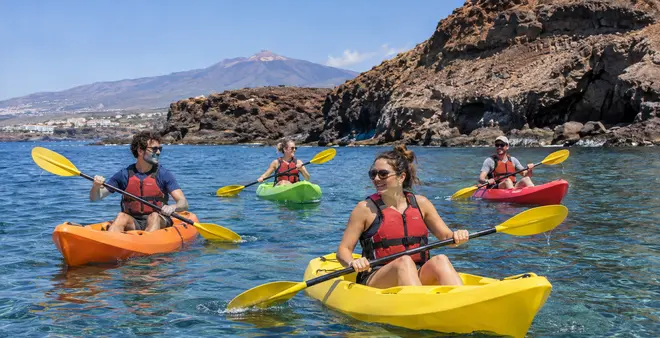
An introductory trip with professional guidance can answer plenty of practical questions. Before choosing one, find out what swimming ability is required, where it will take place and what happens if wind or swell prevents you from entering. Not every activity advertised as snorkelling follows the same format: some start on a beach, some involve a boat transfer and others are combined with kayaking.
Check whether the equipment is provided, how its fit is checked and what support is available for a person who needs to leave the water before the rest of the group. Be sceptical of a description that guarantees wildlife encounters without exception. The creatures are wild and the sea can change from one day to the next. The important thing is that the activity is appropriate to your ability.
If you are travelling with children, check the minimum age and supervision arrangements. An adult who has never used the equipment cannot assume they will be able to look after several children in the water. It may be better to divide the group and alternate practice sessions with breaks on shore.
After your swim
Set aside part of your morning or afternoon for a rest. Snorkelling need not fill all the hours available to you. Get out before cold, cramp or tiredness become a problem. Back on land, drink some water, change out of damp clothing and rinse your equipment in fresh water in accordance with its care instructions.
If you have several days in Tenerife, leave some flexibility in your itinerary. A day when the sea is unsuitable can be spent walking along the coast, visiting a viewpoint or exploring a museum. You may have the opportunity to return to a suitable beach later in the week. That way, you will not feel obliged to press ahead with an activity simply because it appears to be your only chance.
Remember to tell someone on land where you intend to enter and when you expect to return, and always go with a companion. If you witness an emergency from the shore, alert lifeguards or call 112; do not enter the water to attempt a rescue for which you are untrained.
Snorkelling is something to learn gradually. In Tenerife, there is a particular reason not to rush: give a modest patch of submerged rock and sand your attention under appropriate conditions, and you will discover that you do not have to travel far to find an entirely different world.
Explore next: Snorkelling in Tenerife.